
August 18, 2025
Mobile players in 2026 have seen every monetization trick in the book, app stores are stricter, UA costs keep climbing, and mobile game developers aren't just competing with other games, they're competing with every other form of entertainment on a phone. Which is exactly why the conversation around non-disruptive monetization is going from a nice idea to an actual strategy.
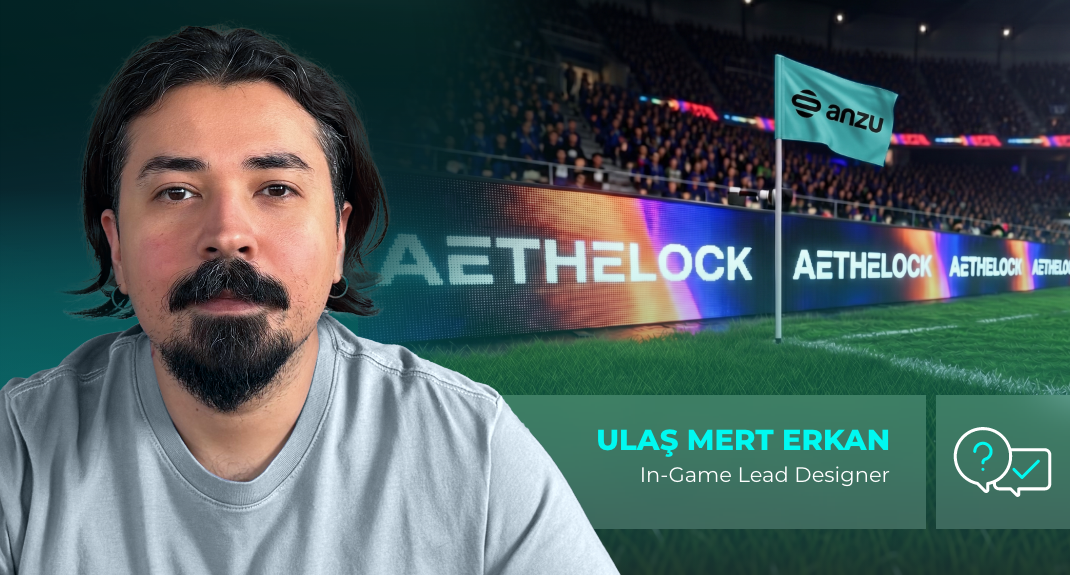
To dig into this more, we sat down with our In-Game Lead Designer Ulaş Mert Erkan, who has spent the last decade in AdTech, coming at it from a designer's perspective, which means he obsesses over visual integration and player experience.
Q: What's the biggest misconception studios still have about ads in games today?
That ads themselves are the problem. They're not. The problem is how they're integrated.
Players have been exposed to formats that interrupt gameplay for years, so the default reaction became "let me get through this and continue." That association is still there.
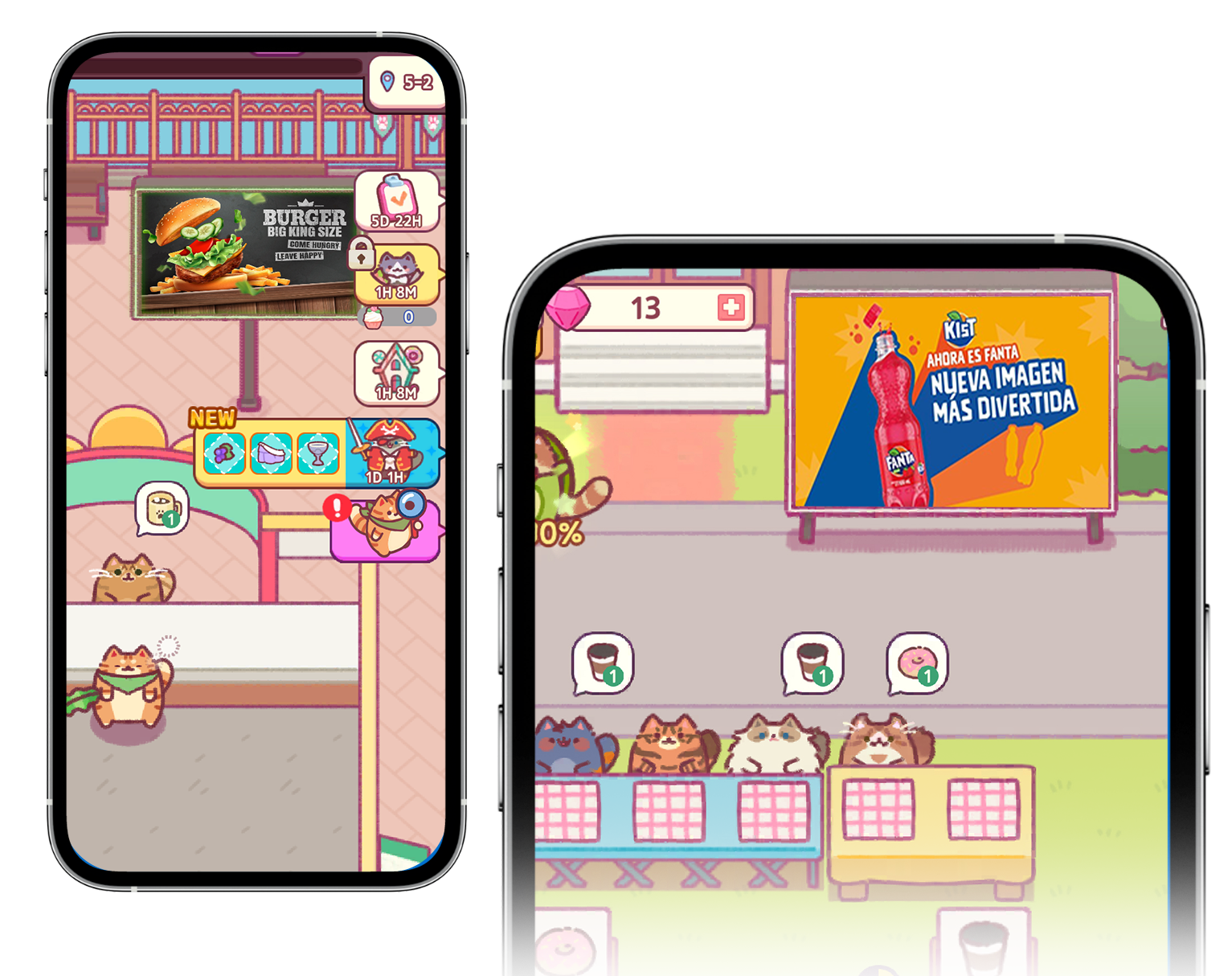
But when ads are naturally integrated into the game world, that reaction changes. They stop feeling like something external and start feeling like part of the experience. Instead of breaking the flow, placements live inside the environment. With features like clickable units, they can even become part of the interaction. The ad is no longer something that pulls the player out — it exists within the same experience.
Q: At what stage should studios start thinking about monetization?
Ideally, this should start at the core stage of development. Part of the game design from day one.
When you think about monetization early, it becomes much easier to shape placements around player behaviour. You're not forcing anything in later, you're building with it from the beginning.
When it's added later, it usually feels like an afterthought. It's similar to a city that grows without planning: things become messy and harder to optimize.
Placements are design elements. That's why in-game ad monetization should be seen more as an infrastructure decision rather than a last-minute revenue add-on.
Our in-game ad placements guide walks through the full process of planning, testing, and optimizing placements for different game types.
Q: When it comes to in-game advertising, we continue to hear people talk of ad placements as 'native', but what does that actually mean? Can you walk us through the process of making a real-world brand placement feel native inside a game?
I start by understanding the world of the game first, not the ad.
Every game has its own visual language and logic. The question is: where would this kind of communication naturally exist in this world?
Take, for example, a brand ad in a racing game — it might work as a digital screen in the garage, a trackside display, or a branded surface that matches the lighting, materials, and speed of that environment. In a realistic football sim, the logic is different. You've got pitchside boards, stadium LED screens, broadcast-style overlays, sponsor areas. The placement should respect that context.
.png?width=1214&height=602&name=Iphone%20Gameplay%20Race%20Max%20Pro%20(1).png)
What separates "bolted on" from "belongs here" is craft. Scale, framing, material, lighting, camera angle, and timing all matter. A placement can be technically in the right location, but if it ignores the game's visual tone, it still feels wrong. Ultimately, the goal isn't to obscure other game elements or compete with gameplay, it's to make the placement part of the world, so the player doesn't need to mentally leave the game to process it.
Players are less tolerant of interruptions, but not of monetization itself. The future isn't about fewer ads, it's about better integrated ones that respect the game world and add value to the player experience. For studios willing to approach in-game advertising as a design decision rather than a revenue afterthought, the results speak for themselves.
For more on the creative principles behind effective in-game placements, check out our in-game creative guide.
Q: You mentioned not competing with gameplay. We imagine every studio you talk to is wary of this and protective of their game world. When you're sitting with one who's sceptical about letting ads in, what's the conversation that happens?
The conversation changes when we stop talking about ads as a revenue layer and start talking about the game world itself.
Studios are worried about losing control over the experience they built. If you ignore the game's rhythm, visual language, and player expectations, that concern is completely valid.
I usually start by playing the game. Not as someone looking to place ads, but as someone playing to enjoy it. Where does my attention naturally go? When do I have a pause? What kind of branded moment can this world actually carry? That shifts the conversation from "where can we put inventory" to "what does this game world already support."
Then we test early. Not formats — placement locations. We look at visibility and exposure based on actual player behaviour, and we iterate. Testing should guide the design, not just validate it at the end. Once studios see that the approach respects their world and improves through iteration, scepticism usually shifts to collaboration.
"Working with Anzu has been a genuinely positive experience — the integration process was smooth, and the team took the time to truly understand our game world. As a result, we saw a 3–5% uplift in D7 LTV with no negative impact on the player experience," — Choi Hansol, Ad monetization manager, Neptune Corp.
Q: What are the most common mistakes you see in how ads are implemented today, and how do those decisions actually impact player behaviour and retention?
Finding the right balance between getting viewable impressions and maintaining the user experience.
One of the most common mistakes is not thinking about the actual screen experience. A placement can exist in the scene but still not be seen properly. Camera angle, exposure time, and framing are often overlooked.
Balance is another issue. Too few placements limit scale, too many create noise and reduce effectiveness.
Placement strategy isn't just about where you put something. It's about how it appears, how long it's visible, and how it fits into the moment. It needs to be approached with the same care as level design.
Q: Anzu launched clickable intrinsic ads with custom interaction mechanics. How do you design these interactions so they're intentional without disrupting gameplay?
The main challenge is preventing accidental clicks, especially on mobile where players tap, swipe, and drag constantly.
The interaction model can't be generic. It needs to respect how the game is played. Depending on the game, that might mean tap-and-release, double-tap, or tap-and-hold. In FPS-style gameplay, we might only activate the clickable function after the player's crosshair focuses on the placement for a few seconds. That creates deliberate interaction and reduces the chance of interrupting an active moment.
This starts before the actual placement design. I need to understand the physical ergonomics of the game. I look at where the primary control clusters are, how fast players are swiping, and where a UI element can live safely without triggering a stray thumb.
Once you understand that, you can design clickable placements that invite interaction without forcing it.
Ready to design your game’s next revenue stream? Reach out to the Anzu team.